
Anxiety is a common mental health concern that affects many individuals, in fact each week 6 out of 100 people will be diagnosed with generalised anxiety disorder (GAD). It’s important for people to understand different anxiety disorders so they can seek relevant help if necessary. In England less than 50% of people seek any treatment for their anxiety, which can lead to their mental health declining further. As well as medication people can learn various coping mechanisms, by empowering ourselves with knowledge and adopting practical techniques, we can better manage anxiety and lead more fulfilling lives.
Anxiety disorders come in various forms, such as generalised anxiety disorder (GAD), social anxiety disorder, and panic disorder. It is essential to recognise the signs and symptoms associated with these disorders, for example excessive worry, restlessness, racing thoughts, and physical symptoms like increased heart rate and difficulty breathing. By understanding the specific characteristics of different anxiety disorders, individuals can gain clarity and seek appropriate support. If you feel you are experiencing anxiety it can be beneficial to keep a log of symptoms, this way when you visit the GP or appropriate mental health professional you have a list of everything you have been experiencing.
Coping mechanisms play a vital role in managing anxiety. There are various techniques that individuals can incorporate into their daily lives to try and relieve their anxiety. Strategies may include deep breathing exercises, mindfulness and meditation practices, progressive muscle relaxation, engaging in regular physical activity, and maintaining a balanced lifestyle through adequate sleep, nutrition, and self-care. These coping mechanisms help individuals reduce stress, promote relaxation, and restore a sense of calm amidst anxiety-inducing situations.
Try this-
Box breathing is a great coping mechanism for when you feel anxiety rising. Inhale for four seconds, hold for four seconds, exhale for four seconds, pause for four seconds, and repeat 4 times.
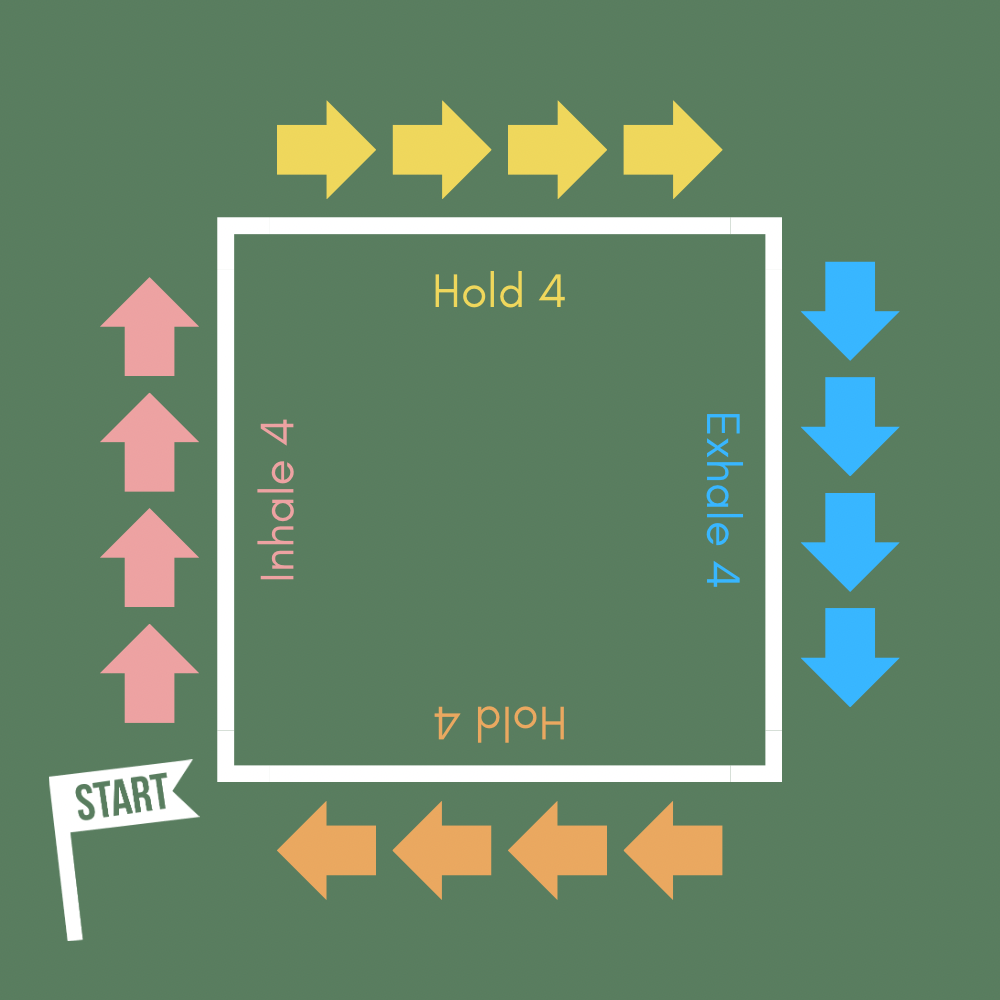
Negative thoughts often contribute to anxiety and can intensify feelings of worry and fear. We can focus on identifying and challenging negative thoughts through cognitive-behavioural techniques. Once we are able to recognise when our thoughts are becoming irrational, we can learn to reframe our thinking patterns and replace negative thoughts with more realistic and positive ones. Exploring self-compassion, cultivating gratitude, and nurturing a supportive network of relationships are also effective methods to try when struggling with anxiety.
While self-help techniques can be valuable, seeking professional support is essential for individuals experiencing persistent or severe anxiety. Counselling can provide individuals with a safe and non-judgmental space to explore their anxiety, gain insights into self, and develop personalised coping strategies. Additionally, counsellors can assist in uncovering underlying factors contributing to anxiety and provide coping strategies tailored to an individual’s specific needs.
Managing anxiety is an ongoing journey that requires self-awareness and a toolbox of coping mechanisms. By understanding different anxiety disorders, incorporating effective coping strategies, challenging negative thoughts, and seeking professional support, people can take significant steps towards navigating their anxiety and finding inner calm. Remember, you are not alone, and there is support available to help you on this journey. With dedication, self-care, and the guidance of mental health professionals, anxiety can be managed, allowing individuals to lead happier and more fulfilling lives.
 Counselling in Cheshire | Your Path to Mental Well-being
Leave a comment